Why Your Low and Slow Meat Is Dry (Even When the Cut is Fatty)
- Jacinta Andrew
- No Comments
- 4 mins 12 secs

Low and slow BBQ should produce tender, juicy meat, especially when you are working with fatty cuts like brisket, chuck, or pork shoulder. Yet I still see people return to the shop, scratching their heads because their meat turned out dry, even though the cut had plenty of fat.
From a butcher and BBQ point of view, fat helps, but it is not a guarantee. I have seen plenty of well-marbled briskets and pork shoulders dry out when the cook goes wrong. Things like temperature, trimming, resting, and slicing all play a role in how the meat holds onto moisture.
Starting with a good cut definitely helps. When I am helping someone pick meat for Low and Slow BBQ, I always look for strong marbling and a proper fat cap. But even with a fatty cut, technique still matters. In this guide, I will explain why Low and Slow meat can turn out dry even when the cut looks perfect, and what I recommend doing differently on your next cook.
Fatty Cuts Do Not Automatically Mean Juicy Meat
One of the biggest misunderstandings I see with Low and Slow BBQ is the idea that a fatty cut will always turn out juicy. Cuts like brisket, chuck, and pork shoulder are known for their fat content, which is why they are popular for long cooks. But fat alone does not guarantee a good result.
From a butcher and BBQ perspective, there are two types of fat that matter. The fat cap sits on the outside of the meat, while marbling runs through the muscle itself. The fat cap helps protect the meat during cooking, but the internal marbling is what really helps keep it moist.
Even with a fatty cut, the meat can still dry out if the cooking process is not handled properly. If the heat is too high, if the meat is overcooked, or if it is trimmed too aggressively, that protection can disappear quickly.
That is why when I help customers choose meat for Low and Slow BBQ, I look for cuts that have good marbling as well as a proper fat cap. The quality of the cut gives you a better starting point, but the way it is cooked will still decide the final result.

Cooking Temperature Is Often Too High
When someone tells me their brisket or pork shoulder came out dry, one of the first things I ask about is the cooking temperature. Low and slow BBQ sounds simple, but keeping the heat steady is where many cooks run into trouble.
For most low and slow cooks, I recommend keeping your smoker somewhere around 110 to 120°C. At this range, the meat has time to slowly break down. The fat renders gradually, connective tissue softens, and the meat stays moist while it cooks.
Once the temperature climbs too high, things start to change quickly.
What happens when the temperature is too high
- Moisture escapes faster from the meat
- The fat renders out too quickly
- The outside of the meat can toughen before the inside is ready
- The meat may finish cooking before collagen has properly broken down
Even when the cut is fatty, high heat can push out moisture faster than the fat can protect it.
Typical temperature ranges for Low and Slow BBQ
| Cooking Style | Temperature Range | Result |
| Proper Low and Slow | 110–120°C | Fat renders slowly, meat stays tender |
| Slightly too hot | 125–135°C | Faster cook but higher moisture loss |
| Too hot for Low and Slow | 140°C+ | Meat dries out before collagen breaks down |
In my experience, keeping the fire controlled is one of the biggest differences between juicy barbecue and meat that feels dry.
But temperature is not the only factor. Another mistake I often see happens before the cook even starts, when too much fat is trimmed off the meat.
Trimming Too Much Fat
Another reason fatty cuts can still end up dry is how the meat is trimmed before it goes on the smoker. I often see people trim aggressively because they think removing fat helps the smoke penetrate the meat.
In reality, that outer fat helps protect the meat during a long cook. It slows moisture loss and shields the surface from direct heat.
Common trimming mistakes
- Removing the entire fat cap
- Leaving the surface of the meat fully exposed
- Trimming unevenly so parts cook faster than others
A better approach
For most low and slow cuts, leaving some fat is important.
| Cut | Recommended fat cap |
|---|---|
| Brisket | About 5–10 mm |
| Pork shoulder | Leave natural fat layers |
| Chuck roast | Light trim only |
Getting the trim right helps protect the meat, but dryness can still happen later in the cook if the meat is not rested properly.
Not Letting the Meat Rest
Even with the right cut and a good cook, meat can still turn dry if it is sliced too soon. Resting is one of the most important steps in Low and Slow BBQ, but it is also one of the most overlooked.
When meat finishes cooking, the juices inside are still moving around from the heat. If you cut straight into it, those juices run out onto the board instead of staying in the meat.
Why resting matters
- Juices redistribute through the meat
- Muscle fibres relax after cooking
- Moisture stays inside the meat instead of leaking out
Typical resting times
| Cut | Recommended rest time |
|---|---|
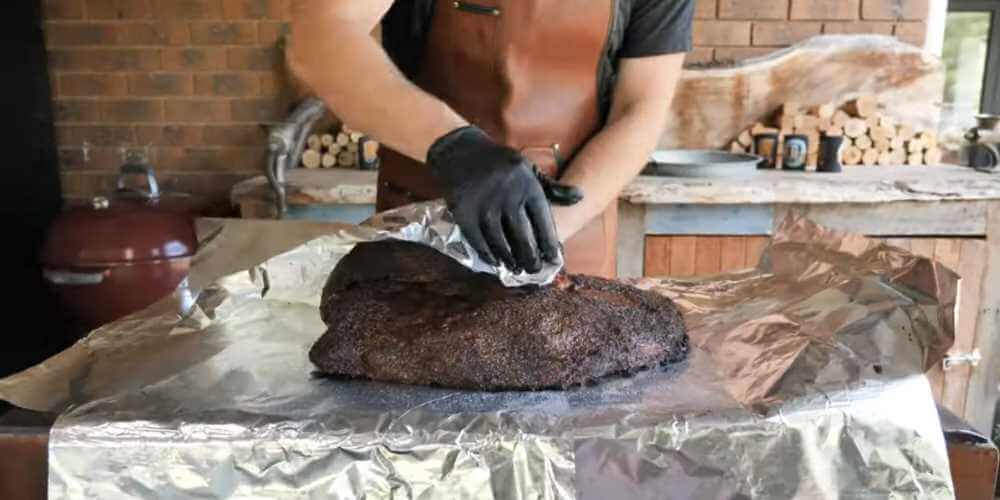
| Brisket | 1–2 hours wrapped |
| Pork shoulder | 45–60 minutes |
| Chuck roast | 30–45 minutes |
From my experience cooking and helping customers with their BBQ, resting is often the difference between meat that feels juicy and meat that feels dry.
Once the meat has rested properly, the final step that can still affect moisture is how it is sliced. Cutting the meat the wrong way can make even a well cooked brisket feel dry.
Slicing the Meat the Wrong Way
Another reason fatty cuts can still feel dry is the way they are sliced. Even if the cook was done properly, slicing the meat the wrong direction can make it seem tougher and drier than it actually is.
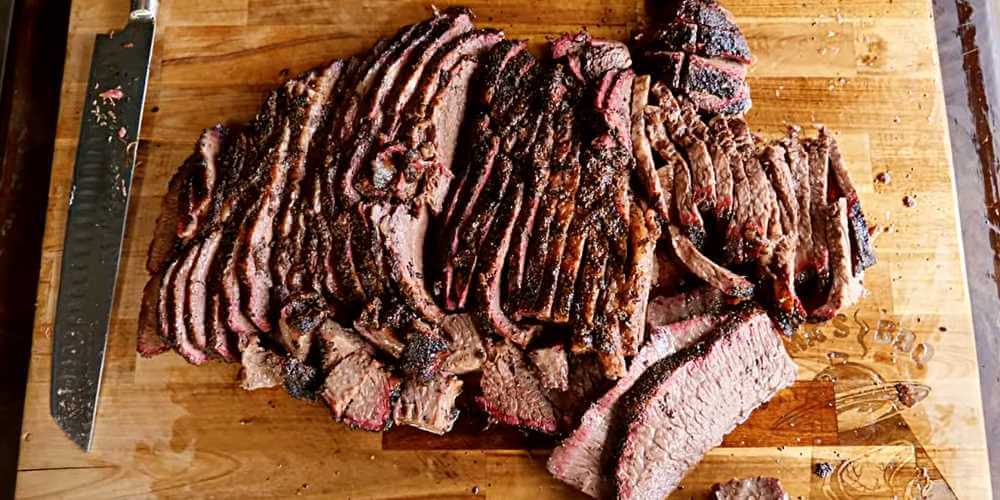
Most barbecue cuts have long muscle fibres running through the meat. If you slice with the grain, those fibres stay long, which makes the meat feel chewy and less juicy when you bite into it.
What slicing against the grain does
- Shortens the muscle fibres
- Makes the meat feel more tender
- Helps each slice hold moisture better
This matters especially with cuts like:
- Brisket
- Chuck
- Flank
- Beef short ribs
A properly rested brisket sliced against the grain will almost always taste juicier than the same brisket sliced the wrong way.
Once slicing is handled properly, the final factor that can still cause dryness is simply cooking the meat too long. Even fatty cuts can lose too much moisture if they are pushed past the right finish point.
Overcooking the Meat
Low and slow cooking takes patience, but leaving the meat on the smoker too long can still dry it out. Even fatty cuts like brisket or pork shoulder will start to lose moisture once they pass the point where they are properly tender.
Signs the meat may be overcooked
- The meat crumbles when sliced
- Juices run out quickly onto the board
- The texture feels dry instead of soft and tender
In BBQ, the goal is to cook the meat until it becomes tender, then stop. Once it goes past that point, the fibres tighten and moisture begins to escape.
Starting with the right cut also makes the cook much more forgiving, which is why choosing the right meat is worth paying attention to from the beginning.
FAQ
Some cuts are more forgiving than others. Pork shoulder and beef chuck are often easier for beginners because they contain good fat and connective tissue that break down during long cooks. These cuts give you more room for error while you learn temperature control.
Learning from experienced BBQ cooks can make a big difference. At The Meat Inn Place, we run BBQ Masterclasses in Melbourne where you can learn fire management, meat preparation, and smoking techniques using quality cuts. These classes are designed to help home cooks get better results on the BBQ.
Yes. Offset smokers, pellet grills, and charcoal BBQs all behave differently. The key is learning how your smoker manages heat and airflow so you can keep the cooking temperature steady.
Choosing the Right Cut Makes the Cook Easier
Even with the right technique, the cut you start with still matters. For Low and Slow BBQ, I always recommend looking for meat with good marbling and a solid fat cap, as these help protect the meat during a long cook.
Cuts that work well include:
- Brisket
- Pork shoulder
- Beef chuck
- Beef short ribs
Good meat will not fix every mistake, but it gives you a much better starting point.
If you want help choosing the right cut for your next Low and Slow cook, drop into The Meat Inn Place in Lilydale and have a chat with our butchers. We’re always happy to point you in the right direction.